 877.778.3456
 Request A Quote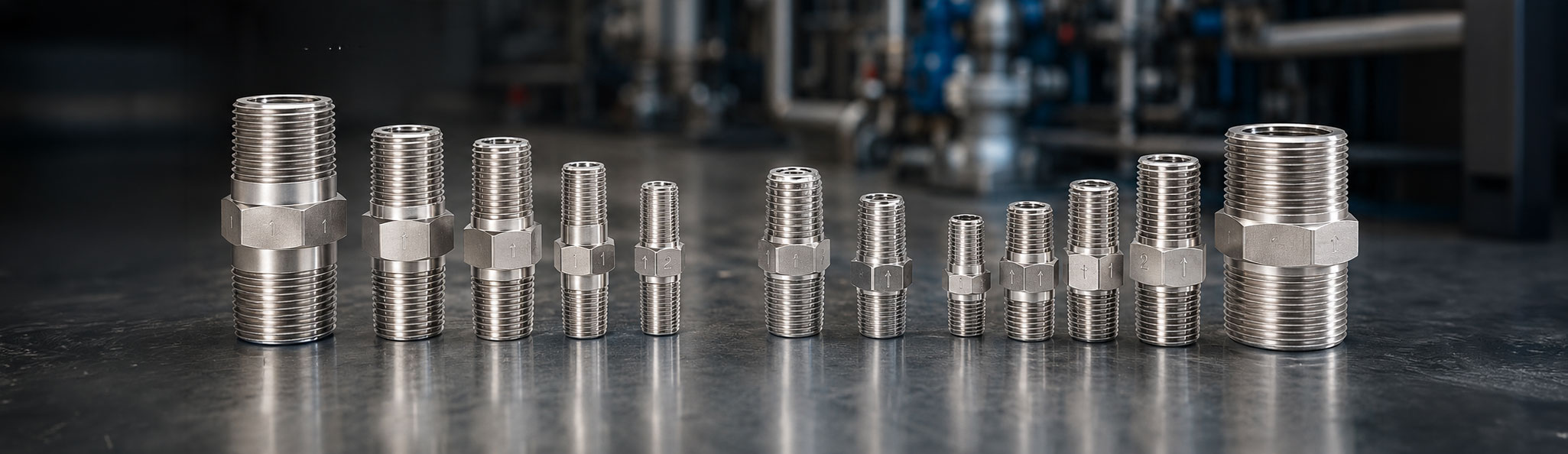
How Does a Spring-Loaded Check Valve Work?
In fluid handling systems, flow direction matters. Whether a system is dosing chemicals, protecting a pump, or maintaining pressure in an injection line, reverse flow can create accuracy issues, equipment stress, leakage, and inconsistent performance. A spring-loaded check valve is designed to solve that problem by allowing fluid to move in one direction while automatically closing when flow slows, stops, or tries to reverse.
A spring-loaded check valve is an inline valve that uses an internal spring to hold a sealing element closed until enough upstream pressure is applied. Once the pressure reaches the valve’s opening point, the valve allows fluid to pass through. When pressure drops or reverses, the spring pushes the internal element back into the closed position to help prevent backflow.
JAECO offers spring-loaded check valves in both ball-style and poppet-style designs, giving fluid system operators options based on flow behavior, sealing needs, pressure requirements, and chemical compatibility.
What Is a Spring-Loaded Check Valve Used For?
A spring-loaded check valve is used to control flow direction and protect the performance of a fluid system. In metering pump and chemical injection applications, even a small amount of reverse flow can affect dosing accuracy or allow fluid to move back toward the pump. By closing automatically, the valve helps maintain system pressure and keeps fluid moving in the intended direction.
Spring-loaded check valves are commonly used in systems where reliable shutoff is important, including:
- Chemical injection lines
- Water treatment systems
- Agricultural dosing
- Industrial processing
They are especially helpful in dynamic systems where pressure may fluctuate or where installation orientation is a concern.
Unlike a gravity-assisted valve, a spring-loaded check valve does not rely only on the weight of the internal component to close. The spring actively returns the valve to the sealed position, which allows spring-loaded designs to perform consistently in both horizontal and vertical installations.
How Does a Spring-Loaded Check Valve Work?
The basic operation is simple: pressure opens the valve, and the spring closes it.
Inside the valve body is a sealing element, usually a ball or a poppet. Behind that element is a spring. Together, these components control when the valve opens, how fluid passes through the valve, and how quickly the valve closes as pressure changes.
Here is the basic operating sequence:
1. The spring holds the valve closed
When there is not enough upstream pressure, the spring pushes the ball or poppet against the valve seat. This closed position blocks reverse flow and helps keep fluid from moving backward through the line.
2. Pressure builds at the inlet
As fluid pressure increases on the upstream side of the valve, it pushes against the ball or poppet.
3. The valve opens at cracking pressure
Once the upstream pressure exceeds the spring force, the sealing element moves away from the seat. This opening point is called cracking pressure.
4. Fluid flows in the intended direction
With the ball or poppet unseated, fluid can pass through the valve and continue downstream.
5. The spring closes the valve when pressure drops or reverses
When upstream pressure falls below the cracking pressure, or when pressure begins to reverse, the spring pushes the ball or poppet back into the closed position. This quick response helps reduce backflow and supports more consistent system performance.
JAECO spring-loaded check valves are available with 2 lb. or 10 lb. cracking pressure options, depending on the valve style and system requirements.
What Is Cracking Pressure in a Spring-Loaded Check Valve?
Cracking pressure is the minimum upstream pressure needed to begin opening a spring-loaded check valve. Until that pressure is reached, the spring keeps the ball or poppet seated to help prevent reverse flow.
For example, a valve with a 2 lb. cracking pressure opens with less upstream pressure than a valve with a 10 lb. cracking pressure. The right option depends on the system’s pressure conditions and how much opening resistance is appropriate for the application.
In metering and injection systems, cracking pressure matters because it affects when the valve opens and how predictably it responds as pressure changes. A properly selected cracking pressure can help support dosing accuracy, controlled flow direction, and reliable backflow prevention.
How Ball-Style Spring-Loaded Check Valves Work
A ball-style spring-loaded check valve uses a round ball as the sealing element. In the closed position, the spring pushes the ball against the valve seat to block reverse flow.
When upstream pressure exceeds the valve’s cracking pressure, the fluid pushes the ball away from the seat and opens a path for flow. As long as pressure remains high enough, fluid continues moving in the intended direction. When pressure drops, stops, or reverses, the spring returns the ball to the seat so the valve closes automatically.
Ball-style spring-loaded check valves are valued for their compact design, straightforward operation, and low-maintenance construction. JAECO ball check valves are designed for liquid applications and are available in multiple configurations, including spring-assisted and non-spring options, as well as single- and double-ball designs.
Spring-assisted ball check valves are useful when a faster closing response is needed than a gravity-assisted design can provide, especially in systems where dependable backflow prevention is important.
How Poppet-Style Spring-Loaded Check Valves Work
A poppet-style spring-loaded check valve uses a guided poppet, disc, or plug instead of a ball. Rather than moving freely, the poppet travels in a controlled linear path inside the valve body. This guided movement supports repeatable operation and clean shutoff.
In the closed position, the spring pushes the poppet against its sealing surface. In JAECO poppet check valves, the poppet seals against an O-ring or elastomer seat to help minimize leakage. O-ring materials can be selected based on the chemical being pumped.
When upstream pressure reaches the valve’s cracking pressure, the poppet lifts from the seat and allows fluid to pass through. When pressure drops or flow changes direction, the spring pushes the internal element back into the closed position to help prevent backflow.
Poppet-style spring-loaded check valves are a strong fit for metering systems and injection lines where consistent pressure control, leak prevention, and reliable shutoff are important.
Ball vs. Poppet Spring Check Valves: What’s the Difference?
Both ball-style and poppet-style spring-loaded check valves allow forward flow and help prevent reverse flow. The key difference is how each design seals.
Ball-style valves use a compact ball-and-seat design for straightforward backflow protection in liquid applications. Poppet-style valves use a guided element and O-ring or elastomer seat for applications where minimal leakage, clean shutoff, and consistent performance are especially important.
The best choice depends on the fluid, pressure, flow rate, installation orientation, chemical compatibility, and sealing requirements.
For systems where opening pressure, mounting orientation, or flow behavior are major considerations, it can also help to compare spring-loaded vs. no-spring check valves before selecting a design.
Understand How Spring-Loaded Check Valves Support System Performance
Spring-loaded check valves help keep fluid systems reliable, accurate, and protected from reverse flow. Ball-style valves offer compact, straightforward operation, while poppet-style valves provide guided movement and O-ring sealing for applications that require clean, repeatable shutoff.
JAECO offers inline check valves in spring-loaded, no-spring, ball-style, and poppet-style configurations to support a wide range of metering and chemical injection applications. Material selection is also important, especially in corrosive chemical or demanding industrial environments.
With decades of experience in fluid control systems, JAECO helps customers evaluate flow direction, pressure, materials, and sealing needs so they can select a check valve that fits real-world system demands.

 Request A Quote