 877.778.3456
 Request A Quote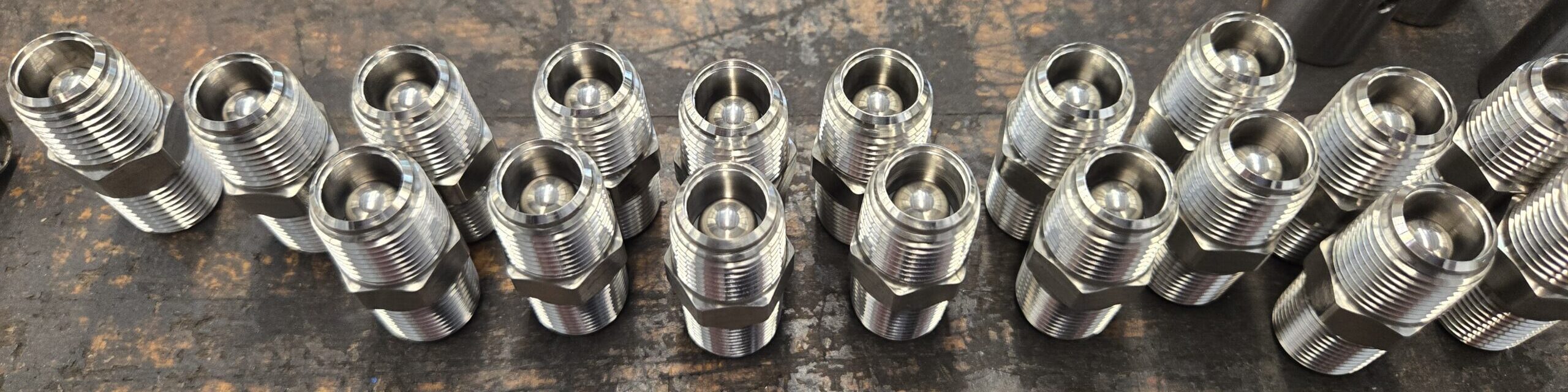
Spring Check Valves for Reliable Backflow Control & Metering Accuracy
JAECO spring check valves provide reliable, pressure-assisted backflow prevention for metering pumps and chemical injection systems. Designed for consistent performance and precise flow control, these inline spring-loaded check valves help maintain system pressure, protect equipment, and improve dosing accuracy.
Available in ball and poppet-style configurations, JAECO spring check valves are compact, durable, and engineered for demanding industrial applications.

Shop Spring-Loaded Check Valves

Spring-Loaded Single Ball Check Valve
Compact inline spring check valve built for reliable performance in metering pump and injection line applications.

High Viscosity Spring-Loaded Check Valve
A spring assisted check valve for thicker liquids, available 1/4 inch through 1 inch with 10 PSI cracking pressure.

Poppet Spring-Loaded Check Valve
A compact stainless steel poppet check valve for metering pump and injection line applications, available with 2 or 10 PSI cracking pressure.
Built for Demanding Chemical & Injection Systems

Works in Any Orientation
Because the spring actively closes the valve, it is not gravity-dependent. Spring check valves perform consistently in horizontal or vertical installations.
Controlled Cracking Pressure
Each valve requires a specific amount of upstream pressure to open, known as cracking pressure. JAECO valves are available in 2 lb. or 10 lb. options for predictable, repeatable operation.
Compact & Precise Flow Control
Inline spring check valves offer a compact footprint while delivering more controlled, responsive shutoff than non-spring designs, helping maintain metering accuracy.
How an Inline Spring Check Valve Works
- Fast closing response
- Minimal leakage
- Consistent performance in fluctuating systems

Trust JAECO with Your Spring Check Valves
- U.S.-based manufacturing and support
- High-quality materials designed for chemical compatibility
- Technical expertise to match valves to your flow and pressure requirements
- Long-term parts availability and service support

 Request A Quote